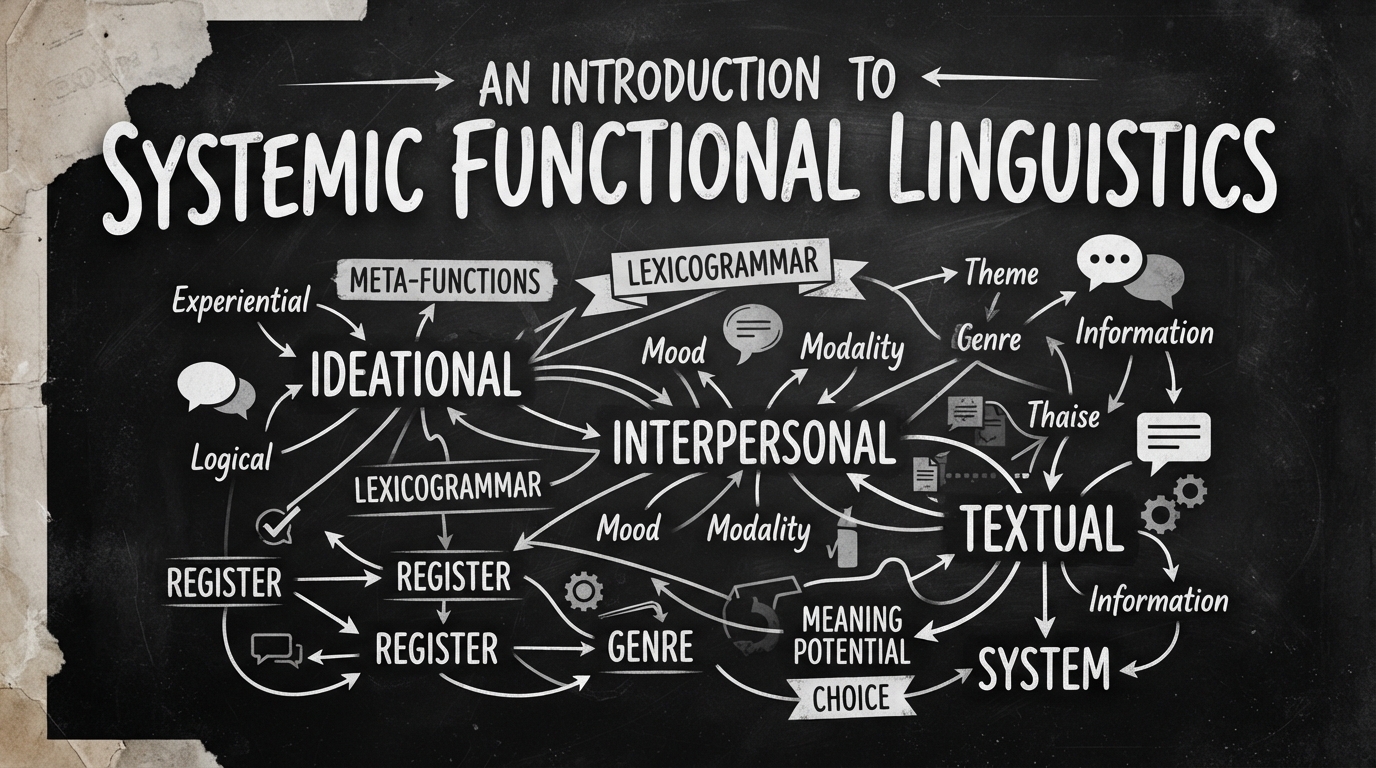
To begin with, let me remind us what the term linguistic means. Linguistics is broadly defined as the scientific study of language. It looks at how language works — how words, meanings, and grammar come together to help us communicate. Linguistics covers either particular or general language, but the latter describes its focus more accurately. For instance, we have English linguistics, which is particular. Yet, the concepts of English linguistics are mainly derived from the general concepts of linguistics.
Experts in linguistics are called linguists. In their work, they do not try to answer questions like “What does this sentence mean?” Rather, they are interested in higher-level (or deeper) questions, such as “Why do we say it this way? What does it show about how language functions?” There are many questions that linguists need to answer to enlighten us about what language is and how it works. The answers, when used to explain language, fall within theoretical linguistics (describing and explaining how language works — to build models of grammar, meaning, sound, etc). Theories proposed by theoretical linguists are then expanded and applied by applied linguists to solve real-life problems, including language teaching, translation, and language testing.
Linguistics is also divided by orientation. We can understand orientation as a way of understanding language. In general, linguistic orientation includes formal linguistics and functional linguistics. Formal linguistics focuses on the form or structure of language. It looks for the internal rules that organize sounds, words, phrases, clauses, and sentences. Chomsky’s theory of generative grammar, for instance, tries to explain the mental rules that make sentence formation possible. Functional linguistics, on the other hand, focuses on how language functions to make meaning in social context. Systemic Functional Linguistics belongs to this orientation.
Last but not least, linguistics is also distinguished by its mode of inquiry. You might have heard of descriptive linguistics, observing how language is actually used. Also, you might have heard of prescriptive linguistics, telling people how language should be used. There is also comparative linguistics, comparing different languages to find generic patterns and relationships between them.
Systemic Functional Linguistics (SFL) belongs to the functional, applied, and descriptive side of linguistics. It is so because, as you will see, it studies how language is used to make meaning in context, particularly in education and real communication. Linguists such as Halliday, Martin, and Emi Emilia preferred calling it applicable linguistics. It is true since SFL is also an explanatory theory. Its applied side lies in its ability to analyze text, to teach language (e.g., via SFL genre-based approach), and to understand how people use language for different purposes in society.
What is Systemic Functional Linguistics?
To understand this, we need to look at every word that constructs the term, I suppose.
The word “systemic” in this term reflects the view that language is a network of choices. It depicts the fact that when we use language in speaking or writing, we constantly choose linguistic elements (words and structures) to express meaning that fit our purpose and context.
The word “functional” in this term reflects the view that every choice we make in using language serves particular functions, including to represent ideas or experiences, interacting with others, or organizing our messages. This is the concept of metafunction in SFL.
The word “linguistics” in this term reminds us that SFL is the scientific study of language.
Michael Alexander Kirkwood (M.A.K.) Halliday, a British linguist, developed this linguistics and began shaping the theory in the 1960s. He wanted to describe how language functions in everyday life, not just as a system of signs or forms, but as a resource for making meaning in context. Halliday was heavily influenced by previous scholars, including Bronislaw Malinowski and J.R. Firth. These scholars emphasized that to understand what people mean, we have to look at the social and cultural situation in which language is used; We cannot study language without understanding how it functions in social interaction. Over time, this theory inspired many others, including Ruqaya Hasan, Christian Matthiessen, Jim Martin, Emi Emilia, and so on, some of whom developed systemic functional grammar and a genre-based approach to teaching language.
Core Concepts of Systemic Functional Linguistics
Systemic Functional Linguistics is a vast language theory, but it revolves around the concepts of text and context, strata, metafunction, and register. Within each concept, one will find that this theory is so comprehensive.
Text and Context
Halliday defines a text as a stretch of language of any length that functions as a unit of meaning. This means that a text can be a word, a clause, a sentence, a paragraph, or a discourse, as long as it conveys meaning as a whole. The meaning of a text is always shaped by its context, which is made of the situation, the participants, the purpose, and the culture in which it is produced. SFL emphasizes that meaning emerges from the interaction between text and context, not from isolated sentences or words.
Strata
Strata is concerned with the levels and realization of language. From SFL perspective, language is organized into different levels. The main strata include discourse semantics (meaning at the text level), lexico-grammar (the words and grammatical structures used to realize meaning), and phonology/graphology (the product, either sound — in speaking, or written symbols — in writing).
Metafunction
Halliday uses the term “metafunction” rather than just “function” because he believes that language serves multiple functions simultaneously. There are three metafunctions, including ideational (representing ideas and experiences), interpersonal (enacting social roles and relationships), and textual (organizing information or messages coherently).
Register
Register explains how context influences language choices. There are three variables of register, including field (the topic, process, or activity to talk about), tenor (the interactants involved in the interaction), and mode (the channel of communication, whether spoken, written, face-to-face, digital, etc.). This concept tells us why we speak differently in different situations.
Please watch the video below where I introduced these concepts more thoroughly.
No Responses